Be ready before the storm hits
Published on February 20, 2026
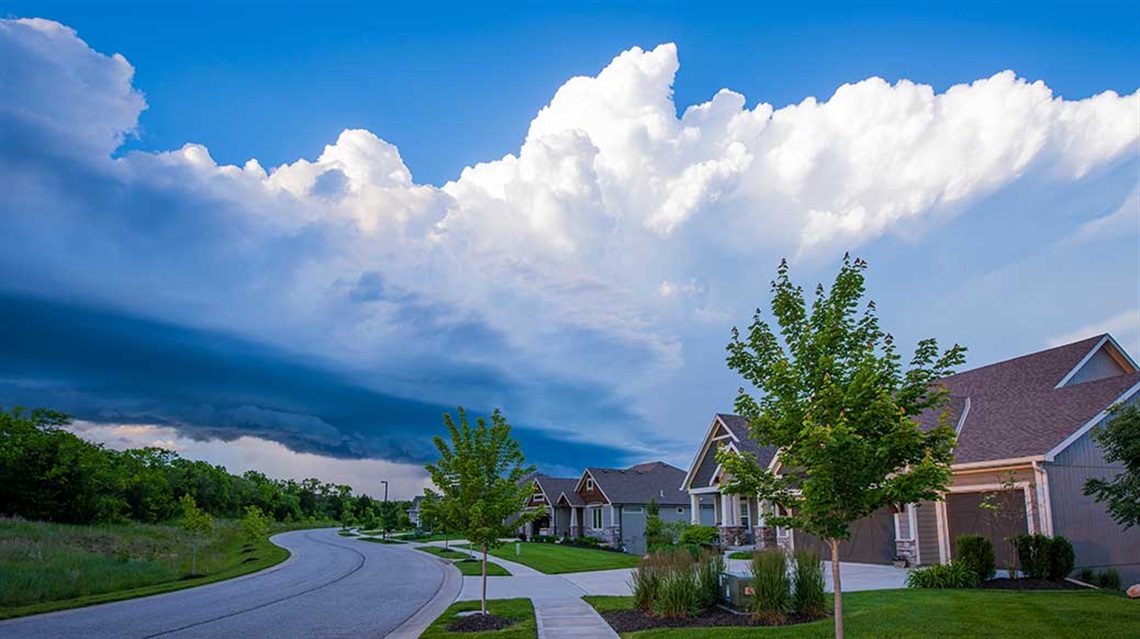
Early spring is a great time for a weather safety refresher — before the worst storms typically arrive in our region. Thinking in advance about what you’d do during an emergency will help you act quickly and confidently in a dangerous weather event.
Severe Weather Awareness Week: March 2–6, 2026
Stay weather aware
Here are good ways to receive information during severe weather:
Outdoor warning sirens alert people who are outside that something dangerous is approaching, like a tornado. Take shelter and seek more information.
NOAA weather radios are specialized radio receivers that broadcast weather information and alerts directly from National Weather Service.
NotifyJoCo is a notification system that emergency messages from Johnson County, local cities and some public utilities. Register for alerts at NotifyJoCo.org.
Wireless Emergency Alerts are urgent, location-based messages government authorities can send to your phone about emergencies. Alerts are sent automatically to compatible phones that are powered on, are connected to a participating wireless network. Check your notification settings to enable the alerts.
Weather apps on your cell phone can update you on weather conditions. Turn off your “Do Not Disturb” setting when severe weather is possible. Or set the phone to allow notifications from weather apps.
Local TV and radio stations may offer both emergency broadcast alerts and live coverage of weather events.
Build an emergency kit
Assemble an emergency kit with disaster supplies. Ready.gov offers checklists to prepare a kit that meets your household needs.
Tornado drill
There will be an eastern Kansas tornado drill on Wednesday, March 4, at 11 a.m. Treat the drill as if it’s an active tornado warning and practice sheltering in place.
Tornado safety
Watch vs. warning
A watch means weather conditions in the area could produce a tornado or severe thunderstorms. Stay alert and know your safe shelter location.
A warning means that a severe storm or tornado has been spotted or indicated by weather radar. Seek shelter immediately in the safest location possible.
What to do when tornado warnings are issued
Knowing where to go — and what to do — can save lives. Follow these guidelines:
If you’re indoors
Go to the lowest level of the building and move to a small, interior, windowless space such as a basement, bathroom, closet or hallway.
- Stay away from windows and large open rooms like gyms, auditoriums or sanctuaries.
- Crouch low, face down, and cover your head and neck with your arms.
- Use thick padding (a mattress, blankets or a sleeping bag) to protect against falling debris.
- If available, helmets can help reduce head injuries.
- In large buildings, interior stairwells are often good shelter areas. Avoid elevators.
- If you live in a mobile or manufactured home, leave immediately and go to a sturdy building or underground shelter.
If you’re in a vehicle
Cars and trucks offer little protection from tornadoes.
- If you can safely reach a sturdy building, do so.
- If escape isn’t possible, pull over safely, stay in the vehicle with your seat belt on, and keep your head below the windows.
- Cover your head with your hands and any available cushion or blanket.
- If you can safely get to low ground away from traffic, lie flat and cover your head.
- Do not shelter under bridges or overpasses, which can be extremely dangerous.
If you’re outdoors
- Seek shelter in a substantial building immediately.
- If no shelter is available, lie face down in low ground, covering the back of your head with your arms.
- Stay away from trees, vehicles and debris, which can be blown into you.
Photo by Robyn Reid