Garden with purpose using native plants
Published on April 07, 2026
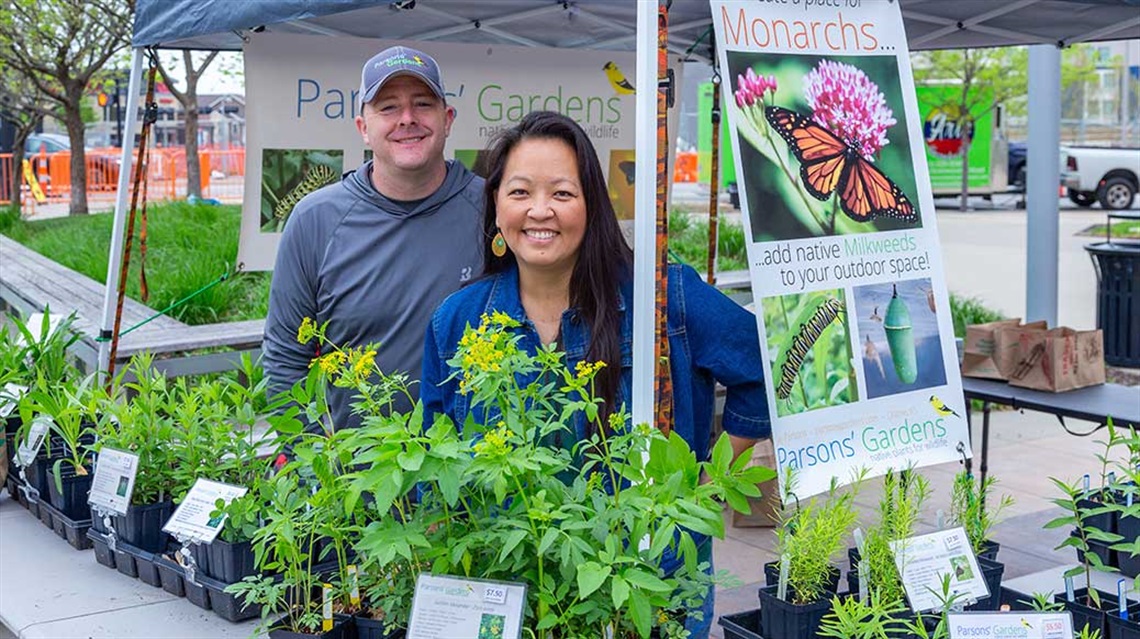
Planning your garden this year? Consider adding low-maintenance native plants. Because they’re naturally adapted to our region, they’re easier to care for, add beauty to your yard and support important pollinators.
You can shop a variety of native plants at the Lenexa Farmers Market’s Native Plant Sale on April 25, 2026, from 8 a.m. to noon during opening day, with a second sale on May 23. Local vendors will be on hand to help you choose plants that will thrive in your specific space.
Tips from local plant vendors
Before you buy, keep a few basics in mind. Jay Parsons of Parsons’ Gardens in Olathe recommends focusing on three key factors: sunlight, soil and location.
Sunlight
What type of sun does the area where you want to grow native plants get throughout the day? Some plants require more sunlight than others. Look for plant options that match your conditions.
- Full sun = six or more hours of direct sun
- Partial sun = four to six hours of direct sun
- Shade = Less than four hours of direct sun, or dappled / filtered sun
Soil conditions
Is the soil in your planting area naturally dry, medium or wet? Most plants prefer one of these types, though some can handle more than one. A plant won't thrive if placed in the wrong type of soil.
Location
Native plants flourish in a community and not in isolation. Zachary Herrmann from City Roots Nursery says it's better to get the right plant in the right place rather than try to amend soils to make a site match a plant's needs. In the ideal spot, native plants are primed to succeed and provide a welcome place for wildlife.
What to do before a native plant sale
Check out the City Roots Nursery and Parsons' Gardens websites to get a sneak peek at what plants they may bring. Look for a plant inventory or catalog.
"Get out into nature and get inspired," says Hermann. "You learn a lot more about native plants when you see them in context then you will in any webinar, lecture or book."
When making a list of desired native plants, always be open to the idea of substitutions. There are endless plant combinations you can use to make a wonderful native garden, so don’t limit yourself to certain species only. To create a natural-looking garden, remember to include sedges and grasses in addition to flowering plants.
How to prepare your yard for planting
Parsons recommends removing all the existing vegetation (sod and/or plant material) before planting native plants. One way to accomplish this in a space with an existing lawn is to mow the area low, place cardboard down over the area to match the desired shape, and then place a thick layer of 2–3 inches of mulch on top of the cardboard and water well. After a few weeks, the area will be ready for planting. Space out the plants, move the mulch, and dig through the broken-down cardboard and smothered lawn.
Prioritize one area in your yard at a time. Plan on spacing most plants 18–24 inches apart to fill the space. After two or three years, these native plants will grow, mature and add much needed habitat to your outdoor space.