What happens after you call the police?
Published on November 24, 2026
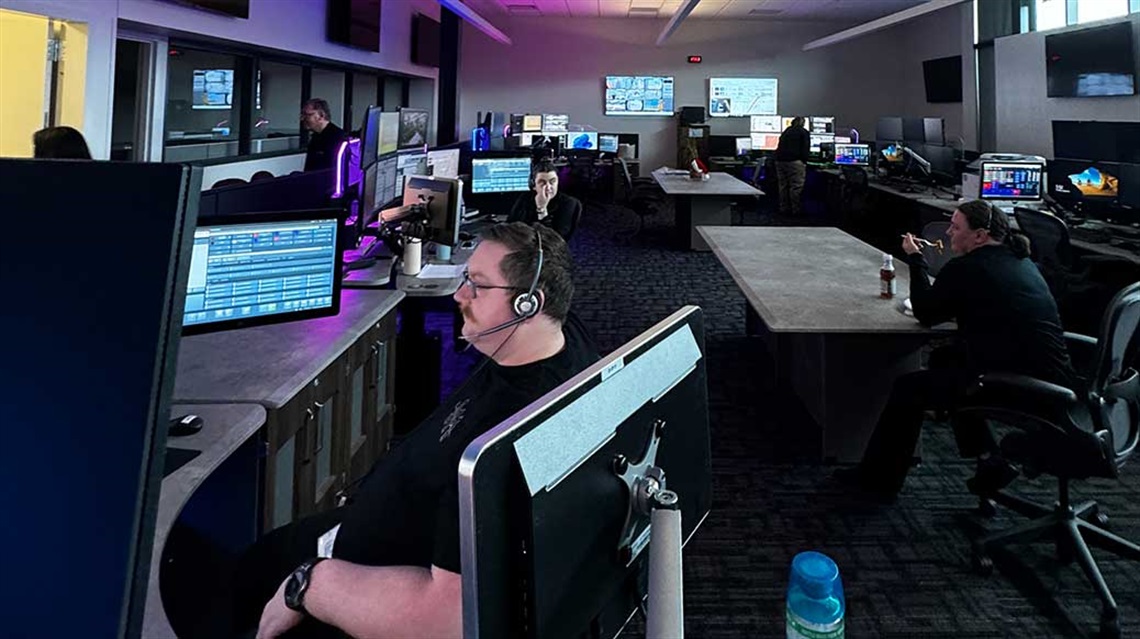
Have you ever wondered what happens after you call the police?
When you call 911 or our non-emergency dispatch line, a dispatcher will ask questions to determine what is happening, where help is needed and what type of response is appropriate. Depending on the situation, you may be asked for descriptions of people or vehicles, whether weapons are involved, if anyone is injured, or which direction someone was last seen traveling.
It may seem like a lot of questions, especially during a stressful situation, but the information you provide helps responding officers know what they may encounter. Even after officers have been dispatched, the call taker may continue asking questions. These questions do not delay the police response. Instead, the information you provide is shared with officers while they are on the way.
Not every call requires the same response. The number of officers sent — and how quickly they respond — depends on factors such as the nature of the call, whether there is an immediate threat to someone’s safety and other calls occurring at the same time.
When should you call 911?
If a crime or medical emergency is happening now, or there is an immediate threat to a person or property, call 911. For situations that aren’t emergencies but still require police assistance, call our non-emergency dispatch line at 913.477.7301.
And remember: You don’t have to be certain a crime has occurred before calling. If something doesn’t seem right, tell us what you’re seeing and let us determine the appropriate response.